
How Is Gum Disease Managed?
Gum-disease care begins with an assessment of your gums, teeth, medical history and individual risk factors. Early gum inflammation may improve with professional cleaning and effective daily plaque control. Periodontitis involves damage to the tissues and bone supporting the teeth and usually requires a more structured treatment and maintenance plan.
Sandgate Bayside Dental assesses gum symptoms and may provide non-surgical periodontal care and ongoing maintenance where appropriate. More advanced, complex or non-responsive disease may require referral to a registered periodontist.
Common Signs of Gum Disease
Gum disease may progress without significant discomfort. Arrange an assessment when you notice persistent changes rather than waiting for symptoms to become severe.
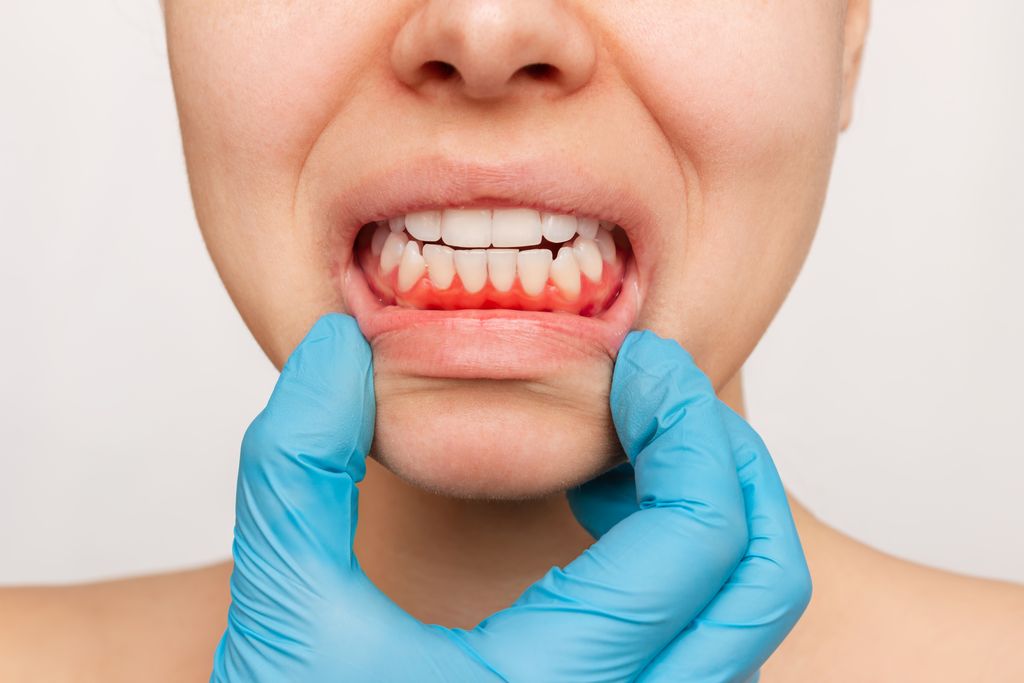
Bleeding Gums
Bleeding during brushing or cleaning between the teeth can be a sign of gum inflammation.
Red or Swollen Gums
Gums that remain puffy, red or tender may require professional assessment and cleaning.
Persistent Bad Breath
Ongoing bad breath can have several causes, including plaque and calculus around or below the gum line.
Receding Gums
Teeth may appear longer when the gum margin moves away from its previous position.
Sensitivity Around the Gum Line
Exposed root surfaces can become sensitive to temperature, touch or brushing.
Loose or Shifting Teeth
Changes in tooth position, bite or mobility should be assessed promptly.
Gingivitis and Periodontitis
These terms describe different levels of gum disease and require different approaches to care.
Gingivitis
Gingivitis is inflammation of the gums associated with plaque accumulation, without loss of the supporting bone or attachment around the teeth.
Management: Professional cleaning where required, improved home cleaning and review of contributing factors. Gingivitis is generally reversible when addressed before permanent supporting-tissue damage occurs.
Periodontitis
Periodontitis is a more advanced condition involving loss of the tissues and bone supporting the teeth.
Management: Assessment, tailored home care, professional cleaning above and below the gum line where indicated, reassessment, supportive maintenance and periodontist referral when required. Existing attachment and bone loss are not normally reversed through routine treatment, but the disease can often be controlled.
What Happens During a Gum-Health Assessment?
The assessment is used to identify whether your symptoms relate to gingivitis, periodontitis, gum recession or another dental concern.
Symptoms and Health History
We discuss bleeding, swelling, recession, sensitivity and relevant medical or lifestyle factors.
Clinical Examination
The gums, teeth, plaque levels, calculus, recession and tooth mobility are examined.
Periodontal Measurements
Pocket depths, bleeding and attachment changes may be recorded when clinically indicated.
Dental X-Rays if Required
X-rays may be recommended to assess bone levels and areas that cannot be evaluated adequately by examination alone.
Diagnosis and Next Steps
The findings are explained, followed by a recommended treatment, maintenance or referral plan.

How Gum Disease May Be Managed
Treatment depends on the diagnosis, severity, risk factors and response to care. The following steps may form part of an individual plan.
Personalised Home Care
Advice may include brushing technique, cleaning between the teeth and selecting suitable cleaning aids.
Professional Cleaning
Plaque and calculus that cannot be removed effectively at home may require professional cleaning.
Non-Surgical Periodontal Care
Cleaning below the gum line may be recommended for selected areas where periodontal pockets and calculus are present.
Reassessment
After initial care, bleeding, pocket depths, home cleaning and the overall response may be reviewed.
Supportive Maintenance
Review and cleaning intervals are recommended according to gum health, risk factors and response to treatment rather than using one schedule for every patient.
Periodontist Referral
A referral may be recommended for advanced, complex or non-responsive disease, or when surgical periodontal care should be considered.
Factors That Can Affect Gum Health
Plaque is central to gum disease, but several factors may influence susceptibility, severity and response to care.
- Smoking or vaping
- Diabetes and blood-glucose control
- Previous periodontal disease
- Some medicines or persistent dry mouth
- Pregnancy-related hormonal changes
- Difficulty cleaning around crowded teeth, restorations or dental appliances
When May a Periodontist Referral Be Recommended?
Referral may be appropriate when disease is advanced, progresses rapidly, does not respond adequately to initial care, involves complex medical or dental factors, or may require surgical periodontal treatment. Where referral is recommended, we can coordinate ongoing general dental and maintenance care with the periodontist.
Looking for a Routine Check-Up and Clean?
For routine preventive appointments without diagnosed periodontal disease, visit our general dental-care page.
Gum Health Before Dental Implants
Active gum disease may need to be controlled before dental implant treatment is considered. Healthy gums, suitable bone and ongoing maintenance form part of implant planning.
Gum-Health Assessments at Our Sandgate Clinic
Established in Sandgate
Sandgate Bayside Dental has provided dental care from its Sandgate location since 1992.
Convenient Location
The clinic is at 74 Loudon Street, opposite Sandgate Town Hall, with parking nearby and Sandgate Station within walking distance.
Clear Treatment Information
The findings, recommended next steps and estimated costs are explained before treatment proceeds.
Gum Disease Treatment FAQs
Can gum disease be reversed?
Gingivitis is generally reversible when plaque and calculus are controlled before permanent loss of supporting tissue occurs. Periodontitis involves attachment and bone loss that is not normally reversed through routine treatment, but treatment can often control the disease and reduce the risk of further breakdown.
What does gum disease treatment feel like?
The experience depends on the areas being treated and the type of care required. Local anaesthetic may be used during selected periodontal procedures. The clinician will explain what to expect before treatment and discuss any concerns you have.
How often will I need periodontal maintenance?
There is no single interval for every patient. The timing depends on disease severity, risk factors, home cleaning and response to treatment. Your recommended review and cleaning schedule will be discussed after assessment and reassessment.
How much does gum disease treatment cost?
Costs depend on the assessment required, the number of areas being treated and whether referral is recommended. You will receive an itemised estimate before treatment proceeds.
Will I need a periodontist referral?
Not every patient requires referral. It may be recommended for advanced, complex or rapidly progressing disease, when initial care has not produced the expected response, or when surgical periodontal treatment should be considered.
Book a Gum-Health Assessment in Sandgate
Arrange an assessment for bleeding, swollen or receding gums, persistent bad breath or changes in tooth stability.
About Us
For over 30 years, our practice has been caring for people from Sandgate, Shorncliffe, Brighton, Deagon, Bracken Ridge, Bald Hills, Boondall, Taigum, Fitzgibbon, Woody Point, Clontarf, Margate and Redcliffe and other surrounding areas.
Our main priority is to provide affordable, gentle and quality dental care to the Sandgate and surrounding communities.
© SANDGATE BAYSIDE DENTAL 2026 | PRIVACY POLICY