
Who Is Not Suitable for Dental Implants? A Brisbane Dentist Explains (2026 Update)
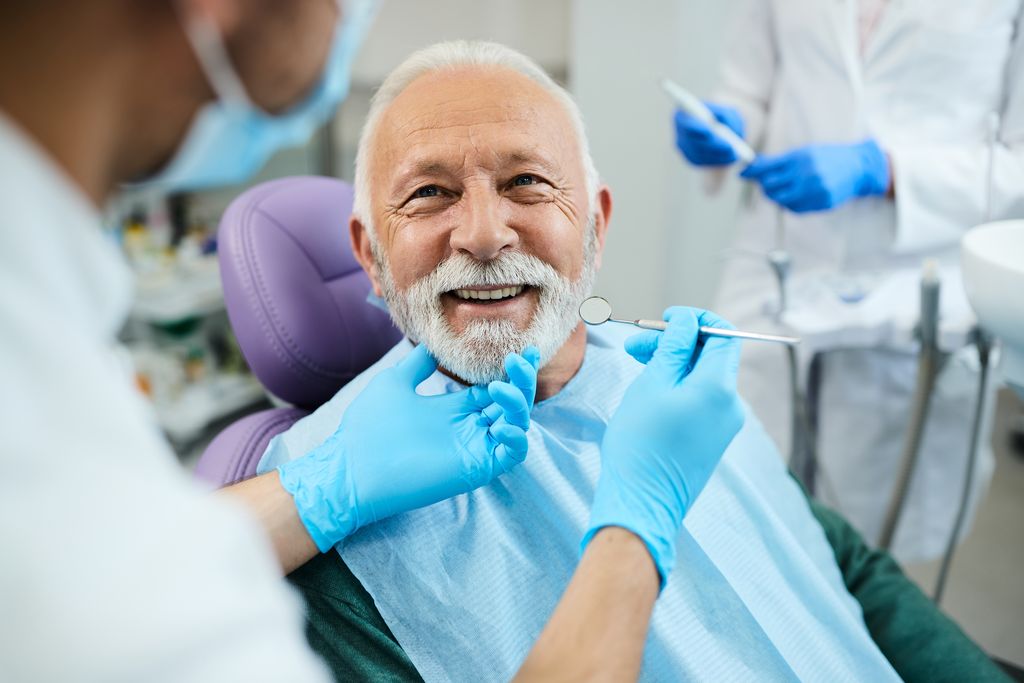
At Sandgate Bayside Dental, one of the most common questions we hear during consultations isn’t “How do they work?” or even “How much do they cost?” It is a quieter, more anxious question: “Am I actually allowed to have them?” Many of our patients from Brighton, Shorncliffe, and Sandgate (and entire North Brisbane) worry that their age, their medical history, or their bone density effectively disqualifies them from getting a fixed smile. The internet is full of conflicting advice, outdated myths, and “horror stories” that make the screening process feel daunting. The good news? In 2026, the list of people who are “absolutely not suitable” is shorter than ever before thanks to advances in 3D imaging and surface technology. However, dental implants are a medical procedure, not just a cosmetic one, and honest screening is critical for long-term success. Here is the straightforward medical reality on who may not be a candidate for dental implants—and who just needs a little extra preparation.
There are very few conditions that rule out implants 100% forever. However, there are immediate “red lights” where a responsible dentist will refuse to operate for your safety. You cannot build a house on a swamp. If you have active, untreated gum disease (periodontitis), placing an implant is setting it up for failure. The same bacteria that attacked your natural teeth will attack the titanium post, leading to peri-implantitis and rapid failure. The Fix: We must treat the gum disease first. Once your mouth is stable and infection-free, we can reassess. If you have had a heart attack, stroke, or valvular prosthesis surgery within the last 6 months, elective dental surgery is generally off the table. The stress of the procedure and the healing demand are too high. Patients receiving high-dose intravenous bisphosphonates (often for cancer treatment) are at a significant risk for a rare but serious condition called MRONJ (Medication-Related Osteonecrosis of the Jaw). In these specific cases, the bone may not heal after surgery. Note: This is different from the oral bisphosphonates taken for standard osteoporosis (see below).
For most of our Bayside patients, the “no” is actually a “not yet” or “let’s proceed with caution.” Diabetes itself does not stop you from getting implants. In fact, many of our happiest implant patients are diabetic. The issue is uncontrolled blood sugar. High glucose levels impair healing and increase infection risk. The 2026 Standard: We look for specific HbA1c targets. If your levels are stable and can be maintained like that, implants are often highly successful. Let’s be honest: Smoking is the #1 enemy of dental implants. Nicotine restricts blood flow to the gums and bone, starving the new implant of the oxygen it needs to integrate. The Risk: Smokers have a significantly higher failure rate than non-smokers. The Protocol: We don’t necessarily ban smokers, but we strongly advocate for a smoking cessation protocol before and after the procedure to give the bone a fighting chance. A common myth among our senior patients in Bracken Ridge is: “I have osteoporosis, so my jaw is too weak.” This is rarely a dealbreaker. Modern implants have treated surfaces designed to grip “softer” bone. While we may need to use a different technique or let the implant heal longer before putting a tooth on it, osteoporosis alone rarely disqualifies you. If you take tablets / injections for bone density, we take extra precautions.
“I’ve been told I don’t have enough bone.” This was a hard “no” ten years ago. Today, it’s just a hurdle. When you lose a tooth, the jawbone shrinks (resorbs). If you have been wearing a denture for 20 years, you may have significant bone loss. Bone Grafting: We can often rebuild the necessary foundation using synthetic or bovine bone materials. Sinus Lifts: For upper teeth, we can gently lift the sinus floor to create room for the implant. Short/Wide Implants: 2026 technology allows us to use specialized implants that require less vertical height, avoiding the need for massive grafts.
We have placed implants in patients in their late 80s who are tired of loose dentures and want to enjoy a steak at the Sandgate foreshore again. Healing capacity matters more than birth year. A healthy 85-year-old is often a better candidate than an unhealthy 50-year-old. If you are healthy enough to undergo a routine extraction, you are generally healthy enough for an implant. If you have been told “no” in the past, or if you are worried your medical history rules you out, the only way to know for sure is a 3D assessment. At Sandgate Bayside Dental, we use our modern in-house CBCT (3D X-ray) technology to look beneath the surface. We can see the density of your bone, the location of nerves, and the health of your sinuses. This allows us to give you a definitive answer—not a guess.
If you’re considering full-arch replacement, see whether you’re a candidate for All-on-X.
Who Is Not Suitable for Dental Implants?
Are You Eligible?
Risk Factor
Suitability Verdict
The 2026 Approach
Age (80+)
Suitable
Age is not a barrier; overall health is.
Active Gum Disease
Not Currently Suitable
Must be treated/stabilized before placement.
Smokers
Caution / High Risk
Smoking cessation protocols are strongly advised.
Osteoporosis
Usually Suitable
Depends on medication (bisphosphonates/similar drugs).
Uncontrolled Diabetes
Not Currently Suitable
HbA1c levels must be stabilized first.
The “Red Light”: Absolute Contraindications
Active Periodontal (Gum) Disease
Recent Cardiac Events or Stroke
IV Bisphosphonates (Cancer Treatment)
The “Yellow Light”: Conditions That Require Caution
Uncontrolled Diabetes
Smoking and Vaping
Osteoporosis and “Soft Bone”
A Note on Oral Bisphosphonates & similar drugs (Fosamax, Actonel, Prolia)
The “No Bone” Obstacle (And How We Fix It)
“Am I Too Old?”
The Verdict? Don’t Self-Diagnose
WORKING HOURS