
Ultimate Guide to a Healthy, Bright Smile at Home
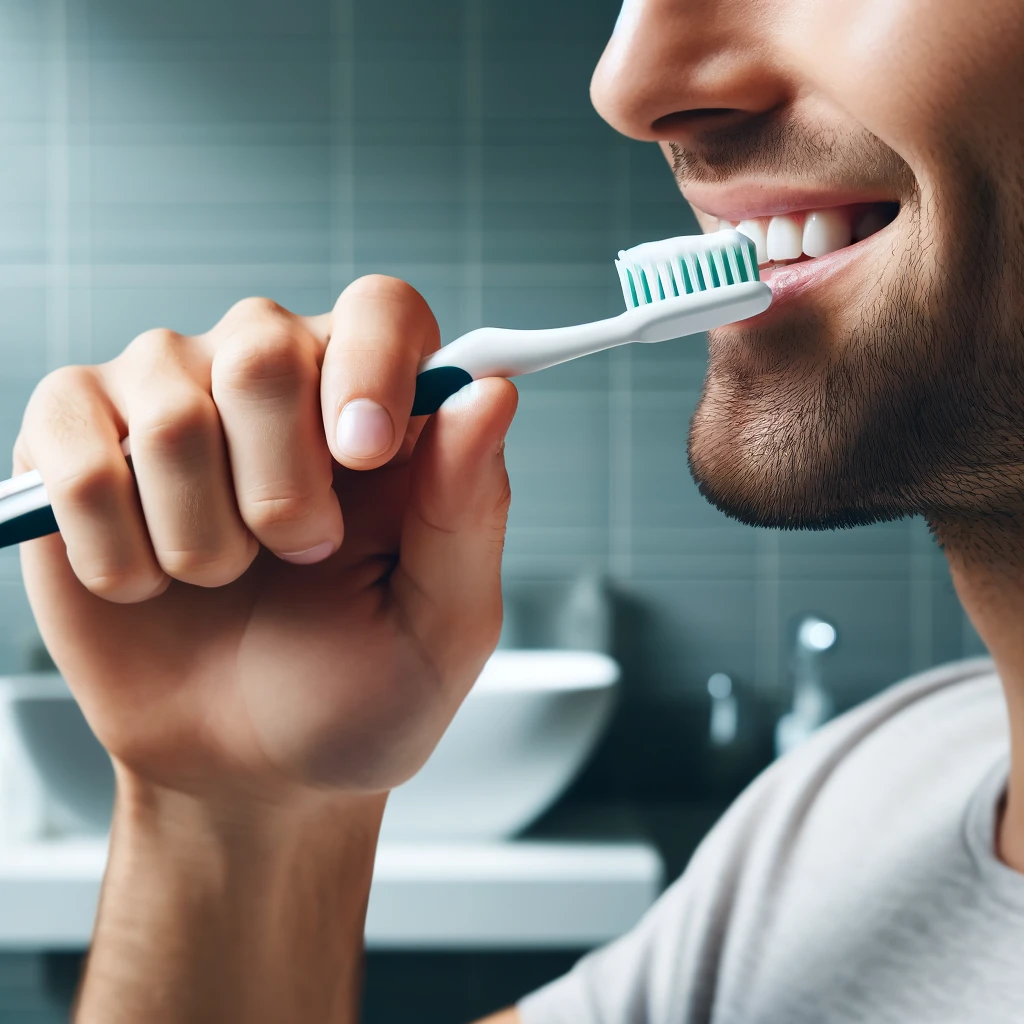
A Healthy, Bright Smile at Home: Your Complete Oral Hygiene Guide
Written by the team at Sandgate Bayside Dental · Reviewed by Dr Shelly Bansal · Updated July 2026
A healthy smile starts at home. The daily routine you follow between dental visits does more for your teeth and gums than any single treatment can — and most of it takes less than ten minutes a day. This guide covers the brushing and flossing technique dentists actually recommend, the tools worth buying, the foods that help and harm, and the signs that mean it is time to book an appointment.
Brushing: Technique Matters More Than Effort
Brush twice a day, for two minutes each time. Scrubbing harder does not clean better — it wears enamel and irritates gums. Instead:
- Angle the brush at 45 degrees to the gum line and use gentle, short back-and-forth strokes — dentists call this the Modified Bass technique, and it cleans the gum line where plaque does the most damage.
- Work in sections. Divide your mouth into four quarters and give each about 30 seconds — upper right, upper left, lower right, lower left.
- Brush your tongue. It harbours bacteria that contribute to bad breath.
- Wait after acidic food or drink. Give your enamel 30 minutes to recover after juice, soft drink or wine before brushing.
Flossing: The Half of Your Mouth Your Brush Never Touches
Flossing once a day removes plaque and food from between teeth — the surfaces where many cavities begin. Use about 45 cm of floss, wind the ends around your middle fingers, and slide it gently between each pair of teeth, curving it against the side of each tooth rather than snapping it into the gum. Use a fresh section of floss as you go. If regular floss is fiddly, floss picks and interdental brushes do the same job, and water flossers are a good option for people with braces, bridges or dexterity issues — though for most people they complement floss rather than replace it.
Choosing the Right Tools
- Toothbrush: soft-bristled, with a head small enough to reach your back teeth comfortably. An electric toothbrush can make thorough brushing easier — especially for children or heavy-handed brushers. Replace the brush or head every three months, or sooner if the bristles splay.
- Toothpaste: choose a fluoride toothpaste to strengthen enamel and help prevent decay — standard adult toothpastes in Australia contain around 1,000–1,450 ppm fluoride. Children aged 18 months to five years should use a low-fluoride children’s toothpaste in a pea-sized amount. If you have sensitive teeth, a sensitivity formula can help; if sensitivity persists, mention it at your next check-up rather than just masking it.
- Mouthwash: a useful extra for freshening breath and reducing plaque, but it does not replace brushing or flossing.
Eating for Healthy Teeth
What you eat and drink shapes your oral health as much as how you clean:
- Limit sugary drinks and snacking. Sugar feeds the bacteria that cause decay — and frequency matters more than quantity. Constant sipping and grazing keeps acid levels high all day. Water, unsweetened tea and milk are kinder choices — and Brisbane’s town water supply is fluoridated, so plain tap water actively helps protect your enamel every time you drink it.
- Eat plenty of fruit and vegetables. Crunchy produce stimulates saliva, your mouth’s natural defence, and provides vitamins that support healthy gums.
- Say cheese. Dairy helps neutralise plaque acids and provides calcium for enamel.
- Watch staining habits. Coffee, tea and red wine gradually discolour teeth. Good hygiene slows this; if staining bothers you, dentist-monitored teeth whitening is safer and more effective than supermarket kits.
Two Situations That Need Extra Care
- Dry mouth (xerostomia). Saliva is your mouth’s natural defence against decay. Many common medications, and simply not drinking enough water, reduce saliva flow and raise your decay risk. Sip water regularly, chew sugar-free gum to stimulate saliva, and tell your dentist if dryness persists — it changes how your teeth should be looked after.
- Wisdom teeth. Partially erupted wisdom teeth create gum flaps that trap food and are genuinely difficult to clean, which is why they are a common source of infection. Clean the area gently with a small-headed brush and warm salt-water rinses, and have recurring soreness assessed rather than managing it indefinitely.
Signs You Should See a Dentist Sooner
A good home routine prevents most problems, but do not wait for your next scheduled visit if you notice:
- Gums that bleed regularly when brushing or flossing
- Persistent bad breath despite good hygiene
- Tooth sensitivity that lingers or worsens
- Toothache, swelling, or a chipped or broken tooth — our emergency dentist page explains what to do and how quickly to act
Professional Care Completes the Routine
Even a perfect home routine cannot remove hardened tartar — only a professional clean does that. Regular check-ups also let your dentist find and treat small problems before they become painful and expensive ones. For most people that means a visit every six months. Families should know that eligible children can receive bulk-billed dental care under the CDBS — up to $1,158 over two years — so cost need not be a barrier to starting good habits early. Eligible Queensland adults may also qualify for the Queensland Government dental voucher scheme, which we accept at our practice.
Frequently Asked Questions
How often should I brush and floss my teeth?
Brush twice a day for two minutes each time with a fluoride toothpaste, and floss once daily. Flossing reaches the surfaces between teeth that a toothbrush cannot, which is where many cavities start.
Is an electric toothbrush better than a manual one?
Both can clean effectively when used with good technique. Electric toothbrushes can make thorough brushing easier, particularly for children, people with limited dexterity, or anyone who tends to brush too hard. A soft-bristled head is recommended either way.
Does mouthwash replace brushing or flossing?
No. Mouthwash can freshen breath and provide some additional protection against plaque, but it cannot remove plaque the way brushing and flossing do. Think of it as an optional extra, not a substitute.
How often should I see a dentist for a check-up and clean?
For most people, a check-up and professional clean every six months is recommended. Your dentist may suggest a different interval based on your oral health. Professional cleaning removes hardened tartar that home brushing cannot, and regular check-ups allow problems to be found while they are small and simpler to treat.
Ready for your next check-up and clean?
Sandgate Bayside Dental has cared for North Brisbane families since 1992. We take the time to explain what we find and what your options are.
